Healthy Living Guide
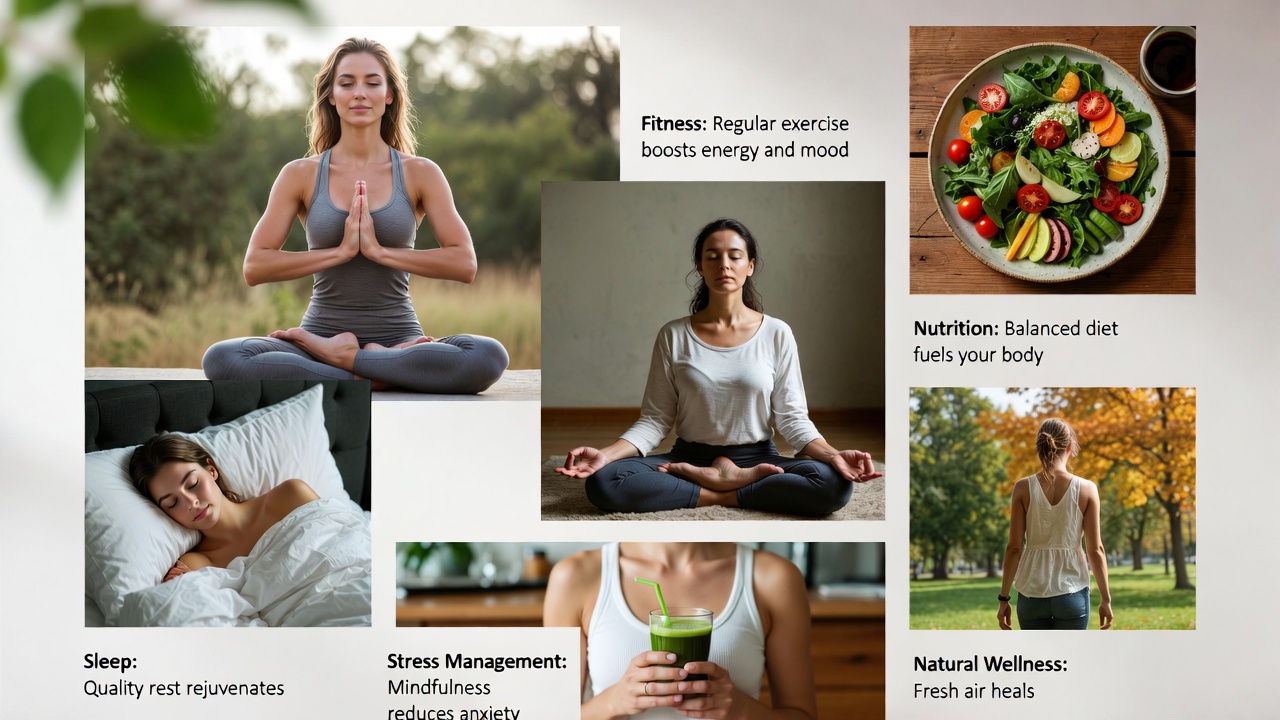
Healthy Living Guide: Your Complete Framework for Fitness, Diet, Sleep, and Natural Support
Welcome to the ultimate Healthy Living Guide from HealthyLivingReviewed.com. In a world overflowing with wellness trends, conflicting advice, and quick-fix promises, true healthy living stands out as a sustainable, holistic path to vitality. This guide isn’t about chasing perfection or adhering to rigid rules; it’s a comprehensive framework that integrates four essential pillars: Movement & Fitness, Diet & Everyday Nutrition, Sleep, Stress, and Recovery, and Supplements & Natural Remedies. Whether you’re just starting your wellness journey, recovering from burnout, or optimizing an already active lifestyle, this resource provides science-backed strategies, practical tips, and real-world applications to help you thrive.
At its heart, healthy living means nurturing your body, mind, and spirit in harmony. It’s about building habits that enhance energy, resilience, and joy, while preventing chronic issues like obesity, heart disease, and mental fatigue. Drawing from the latest research—such as studies from the WHO and CDC—this guide demystifies common myths, like the idea that wellness requires expensive gadgets or extreme diets. Instead, we emphasize accessibility: small, consistent changes that yield big results over time.
Throughout this pillar page, we’ll explore each component in depth, offering actionable insights, customizable plans, and tools to track progress. By the end, you’ll be equipped to craft a personalized roadmap that fits your unique needs—be it managing a hectic schedule, addressing age-related changes, or boosting athletic performance. Remember, healthy living is a marathon, not a sprint. Embrace progress over perfection, and let’s unlock your full potential for a vibrant, fulfilling life.
What “Healthy Living” Really Means Today
In today’s hyper-connected, fast-paced society, “healthy living” has transcended its traditional boundaries. No longer confined to gym sessions and calorie counting, it represents a multifaceted lifestyle that promotes physical, mental, emotional, and even social well-being. The World Health Organization (WHO) defines health not just as the absence of illness, but as a complete state of harmony that allows individuals to lead productive, satisfying lives. This evolved perspective acknowledges the interplay of modern factors like technology, environmental stressors, and global pandemics, which have reshaped how we approach wellness.
Historically, healthy living was rooted in survival—hunter-gatherer societies thrived on natural movement and whole foods. Fast-forward to the 21st century, and we’re grappling with sedentary lifestyles driven by desk jobs, screen addiction, and ultra-processed convenience foods. A 2023 report from the Lancet Commission on Physical Activity revealed that inactivity contributes to over 5 million deaths annually worldwide, rivaling smoking as a health risk. Similarly, mental health challenges have surged, with the American Psychological Association noting that 75% of adults report chronic stress, exacerbating conditions like anxiety and depression.
What sets contemporary healthy living apart is its emphasis on personalization and evidence-based practices. Advances in genomics and wearable technology, such as Fitbit or Apple Watch, allow us to tailor routines based on individual data—heart rate variability, sleep patterns, or even genetic predispositions to nutrient absorption. For instance, someone with a high-stress job might prioritize mindfulness apps like Calm, while an athlete focuses on recovery metrics.
Sustainability is another cornerstone. Fad diets like extreme keto or juice cleanses often fail because they’re not maintainable; a 2024 meta-analysis in the Journal of the American Medical Association showed that 80% of dieters regain weight within a year. True healthy living advocates for balanced, enjoyable habits: incorporating seasonal produce, finding joy in movement like dancing or hiking, and fostering social connections through group activities.
Environmental and ethical considerations are increasingly integral. With climate change impacting food systems, many adopt plant-forward eating not just for health but for planetary sustainability. Organic farming reduces pesticide exposure, linked to lower cancer risks per EPA studies. Social equity plays a role too—access to green spaces or nutritious foods varies by socioeconomic status, highlighting the need for inclusive wellness initiatives.
Mental and emotional dimensions can’t be ignored. Practices like gratitude journaling or cognitive behavioral techniques build resilience against daily stressors. Community involvement, such as volunteering or joining wellness groups, combats isolation, which the CDC links to higher mortality rates than obesity.
In 2026, emerging trends like biohacking—using nootropics or intermittent fasting—blend science with tradition, but caution is advised; not all are universally safe. Ultimately, healthy living empowers self-advocacy: educating yourself via reliable sources, consulting professionals, and listening to your body. It’s about thriving amid chaos, not just surviving. This guide’s pillars provide the blueprint to navigate this landscape effectively, ensuring your efforts yield lasting, transformative results.
Movement & Fitness
Movement and fitness are the dynamic core of healthy living, propelling not only physical strength but also mental clarity and emotional balance. Regular activity enhances cardiovascular efficiency, builds muscle resilience, boosts metabolism, and releases endorphins that elevate mood. The CDC guidelines advocate for 150 minutes of moderate aerobic exercise weekly, plus two days of strength training, yet only 23% of Americans meet this, per a 2025 survey. In an era of remote work and streaming binges, intentional movement counters these trends, reducing risks of diabetes, hypertension, and osteoporosis.
Types of Exercise and Their Benefits
Diversity in fitness prevents monotony and targets various systems. Cardiovascular exercises—running, brisk walking, cycling, or swimming—improve heart health and lung capacity. A 2024 study in Circulation journal found that 30 minutes of daily cardio lowers cardiovascular disease risk by 25-30%. Strength training, via free weights, resistance bands, or bodyweight moves like planks and squats, increases lean mass, which burns more calories at rest and supports bone density, crucial for aging populations.
Flexibility and mobility work, including yoga, Pilates, or static stretching, enhances joint range and reduces injury likelihood. Balance exercises, such as tai chi, are vital for fall prevention, especially in seniors. High-Intensity Interval Training (HIIT)—alternating intense bursts with recovery—maximizes efficiency, ideal for time-strapped individuals; research in the British Journal of Sports Medicine shows it improves insulin sensitivity faster than steady-state cardio.
Functional fitness mimics daily activities, like carrying groceries, fostering practical strength. Emerging modalities like aerial yoga or rock climbing add fun, improving adherence.
Designing a Personalized Fitness Routine
Begin with self-assessment: Evaluate fitness levels using tests like the 1-mile walk or push-up count. Tools like the PAR-Q questionnaire screen for risks. Set SMART goals, e.g., “Complete three 20-minute strength sessions weekly for two months.
A balanced weekly plan could include:
| Day | Activity Type | Duration | Example Exercises |
| Monday | Strength | 45 min | Squats, push-ups, rows |
| Tuesday | Cardio | 30 min | Jogging or cycling |
| Wednesday | Flexibility | 40 min | Yoga flow |
| Thursday | HIIT | 25 min | Burpees, jumping jacks |
| Friday | Functional | 35 min | Kettlebell swings, lunges |
| Saturday | Active Recovery | 20 min | Light walk or swim |
| Sunday | Rest | – | Relaxation or meditation |
Incorporate progression: Increase intensity gradually to avoid plateaus. Track via apps like Strava or MyFitnessPal, monitoring metrics like steps (aim for 8,000-10,000 daily) or heart rate zones.
Overcoming Barriers and Staying Motivated
Common hurdles include time scarcity—solution: Micro-workouts, like 10-minute desk yoga. Lack of motivation? Accountability partners or gamified apps like Zwift. Weather issues? Indoor options via YouTube channels.
Injuries deter many; preventive measures include proper warm-ups, form checks (via mirrors or trainers), and cross-training. If injured, consult physiotherapists for rehab plans.
Fitness Across Life Stages and Populations
Adaptation is key. Children need play-based activity for development; teens benefit from team sports for social skills. Adults in their 30s-40s focus on metabolism maintenance amid career demands. Perimenopausal women might emphasize weight-bearing exercises to combat bone loss, while men over 50 prioritize prostate health through moderate cardio.
For those with disabilities, adaptive fitness like wheelchair yoga or seated strength training ensures inclusivity. Pregnancy calls for low-impact prenatal classes.
The Mental and Emotional Perks
Exercise is a natural antidepressant; a 2025 meta-analysis in JAMA Psychiatry equated 150 minutes weekly to therapy for mild depression. Outdoor activities amplify benefits through vitamin D and nature exposure, reducing cortisol.
Integrating Nutrition and Recovery
Pre-fuel with complex carbs; post-replenish with protein shakes. Hydration: 2-3 liters daily, more during workouts.
Advanced Strategies
For enthusiasts, periodization cycles training phases; incorporate plyometrics for power or calisthenics for body control. Wearables provide biofeedback for optimization.
Movement isn’t a chore—it’s liberation. By embedding it into your routine, you’ll energize the other pillars, creating a synergistic path to peak health.
Diet & Everyday Nutrition
Diet and everyday nutrition serve as the foundational fuel for healthy living, influencing everything from energy sustainment to immune defense and cognitive sharpness. The 2020-2025 Dietary Guidelines for Americans stress variety, emphasizing whole foods over processed ones to combat the obesity epidemic affecting 42% of adults. In 2026, with personalized nutrition apps using AI to analyze dietary logs, eating smartly is more accessible, helping prevent chronic diseases like type 2 diabetes and heart conditions.
Fundamental Principles of Nutrition
Balance macronutrients: Carbohydrates (45-65% calories) from whole sources for sustained energy; proteins (10-35%) for tissue repair; fats (20-35%) for hormone production. Micronutrients—vitamins like A for vision, minerals like calcium for bones—prevent deficiencies; the NIH notes widespread shortfalls in vitamin D and magnesium.
Portion awareness: Use visual cues—a plate method with 50% veggies, 25% proteins, 25% grains—or apps for calorie tracking without obsession.
Essential Food Groups and Optimal Choices
Fruits and vegetables: 5-9 servings daily; cruciferous like broccoli detoxify, berries combat oxidative stress via antioxidants. A 2024 study in Nutrients linked higher intake to 20% lower cancer risk.
Grains: Whole over refined—oats lower cholesterol, quinoa provides complete protein.
Proteins: Diverse sources—lean poultry, fatty fish like salmon for omega-3s (reducing inflammation per Harvard research), plant-based like beans for fiber.
Dairy and alternatives: Greek yogurt for probiotics aiding gut health; fortified plant milks for vegans.
Healthy fats: Nuts, seeds, avocados support brain function; avoid saturated excesses.
Hydration and beverages: Water primary; herbal teas antioxidant-rich; limit sugary drinks.
Practical Meal Planning and Prep
Weekly planning: Shop with lists, prep staples like chopped veggies. Recipes: Balanced meals like grilled chicken salad or veggie stir-fry.
Mindful eating practices: Eat slowly, savor flavors to improve digestion and satisfaction.
| Meal Type | Example | Macros Breakdown | Benefits |
| Breakfast | Oatmeal with berries, nuts | Carbs: 50g, Protein: 15g, Fat: 10g | Sustained energy, fiber |
| Lunch | Quinoa salad with veggies, feta | Carbs: 40g, Protein: 20g, Fat: 15g | Nutrient-dense, satiating |
| Dinner | Salmon, sweet potato, greens | Carbs: 30g, Protein: 25g, Fat: 20g | Omega-3s, vitamins |
| Snack | Apple with almond butter | Carbs: 20g, Protein: 5g, Fat: 10g | Quick boost, healthy fats |
Navigating Diets and Trends
Mediterranean: Heart-healthy, plant-centric; longevity linked in Blue Zones studies.
Plant-based: Reduces environmental footprint; ensure B12 supplementation.
Intermittent fasting: 16:8 window aids weight control, per 2025 Cell review, but not for everyone.
Keto/Paleo: Effective short-term; monitor long-term nutrient gaps.
Weight Management Through Nutrition
Create deficits sustainably: 500 calories daily for 1 lb/week loss. Focus on satiety—high-fiber, protein-rich foods. Myths busted: No “negative calorie” foods; balance is key.
Common Pitfalls and Solutions
Hidden sugars: Check labels; opt for natural sweeteners like stevia.
Over-reliance on supplements: Food first.
Emotional eating: Identify triggers, substitute with activities.
Allergies/intolerances: Gluten-free or lactose alternatives.
Personalization Factors
Age: Seniors need more protein to preserve muscle. Gender: Women require iron-rich foods. Activity: Athletes carb-load.
Genetic testing: Services like Nutrigenomix customize advice.
Gut Health Emphasis
Microbiome diversity via fermented foods (kefir, sauerkraut) enhances immunity, mood; prebiotics from garlic feed beneficial bacteria.
Busy Lifestyle Hacks
Quick recipes: Smoothies, one-pan meals. Dining out: Choose grilled over fried.
Nutrition is empowerment—nourish wisely to amplify fitness, recovery, and overall vitality.
Sleep, Stress, and Recovery
Sleep, stress management, and recovery are the unsung heroes of healthy living—often overlooked yet absolutely critical for sustaining long-term wellness. While fitness and nutrition get much of the spotlight, these restorative elements form the foundation that allows your body and mind to repair, adapt, and perform optimally. Quality sleep repairs tissues at a cellular level, consolidates memories during REM stages, and regulates key hormones like growth hormone and insulin. Chronic sleep deprivation disrupts these processes, contributing to metabolic issues, weakened immunity, and heightened disease risk.
The American Academy of Sleep Medicine (AASM) and Sleep Research Society continue to recommend that most adults obtain at least 7 hours of sleep per night, with many sources, including the National Sleep Foundation, suggesting an ideal range of 7-9 hours for optimal health. This consensus, reaffirmed in recent guidelines through 2025-2026, emphasizes that consistently getting less than 7 hours increases risks for obesity, cardiovascular problems, and cognitive decline.
Chronic stress, on the other hand, triggers prolonged elevation of cortisol—the body’s primary stress hormone—which can lead to abdominal weight gain, suppressed immune function, digestive issues, anxiety, depression, and even structural changes in the brain’s prefrontal cortex that impair decision-making and emotional regulation. A 2025 study highlighted how “Monday blues” can result in lingering cortisol surges (up to 23% higher in hair samples over months), linking weekly stress patterns to long-term cardiovascular threats.
Recovery acts as the bridge, enabling adaptation after physical or mental exertion. Without adequate recovery, overtraining syndrome emerges, characterized by persistent fatigue, performance plateaus, mood disturbances, and increased injury risk. By prioritizing this pillar, you create a virtuous cycle: better rest enhances stress resilience, effective stress management improves sleep quality, and proper recovery amplifies the benefits of movement and nutrition.
The Science of Sleep: Stages, Benefits, and Disruptors
Sleep isn’t a passive state—it’s an active, cyclical process divided into stages: light sleep (transition), deep (slow-wave) sleep for physical restoration and muscle repair, and REM sleep for cognitive processing, emotional regulation, and creativity. Adults typically cycle through 4-6 stages per night, with deep sleep dominating early and REM increasing later.
Benefits extend far beyond feeling refreshed. Deep sleep releases growth hormone for tissue repair, while REM supports learning and mood stability. Consistent quality sleep strengthens immunity, regulates appetite hormones (leptin and ghrelin), and lowers inflammation.
Disruptors abound in modern life: blue light from screens suppresses melatonin production by up to 50%, caffeine’s half-life (up to 8 hours) lingers into the evening, and irregular schedules fragment cycles. Recent 2025 research reinforces that insufficient sleep (<7 hours) raises obesity odds by 21-36%, with links to increased caloric intake, reduced physical activity, and altered dietary choices favoring high-fat, high-sugar foods. One cross-over trial showed sleep restriction led to more sedentary behavior and prolonged sitting bouts, compounding weight gain risks.
Optimizing Sleep: Evidence-Based Hygiene Practices
Master sleep hygiene to reclaim restorative nights. Key strategies include:
- Consistent Schedule — Go to bed and wake at the same times daily, even on weekends, to align your circadian rhythm.
- Bedroom Environment — Keep it cool (60-67°F), dark (blackout curtains), and quiet (white noise machines or earplugs).
- Pre-Bed Routine — Wind down 60-90 minutes before bed: dim lights, read, journal, or practice gentle stretching. Avoid screens; use blue-light filters if needed.
- Lifestyle Adjustments — Limit caffeine after noon, avoid heavy meals or alcohol close to bedtime (alcohol fragments REM), and exercise earlier in the day.
- Natural Aids — Consider short daytime naps (20-30 minutes) if needed, but not too late to avoid interfering with nighttime sleep.
For deeper issues like insomnia, cognitive behavioral therapy for insomnia (CBT-I) outperforms medications long-term, per 2025 guidelines.
Managing Stress Effectively: Proven Techniques
Stress is inevitable, but chronic activation harms health. Evidence-based methods build resilience:
- Mindfulness and Meditation — Daily 10-20 minute sessions via apps like Headspace or Calm reduce cortisol by 20-30% and anxiety symptoms significantly.
- Breathing Exercises — The 4-7-8 technique (inhale 4 seconds, hold 7, exhale 8) activates the parasympathetic system for instant calm.
- Physical Outlets — Regular movement, yoga, or walking dissipates tension; progressive muscle relaxation (tensing then releasing groups) eases bodily stress.
- Cognitive Strategies — Journaling, reframing thoughts, or focusing on “bright spots” (positive aspects) shifts perspective.
- Social and Lifestyle Support — Connect with friends, seek therapy, prioritize hobbies, and set boundaries to prevent overload.
A 2025 NPR-highlighted program teaches eight skills, including noticing positives and savoring moments, to boost mood amid challenges.
Recovery Strategies: From Active to Passive
Recovery prevents burnout and maximizes gains:
- Active Recovery — Light activities like walking, swimming, or yoga on off-days improve circulation and reduce soreness without added stress.
- Passive Methods — Foam rolling, massages, Epsom salt baths, or contrast showers aid muscle repair and reduce inflammation.
- Nutrition for Recovery — Anti-inflammatory foods (turmeric, berries, fatty fish), adequate protein, and hydration speed healing. Tart cherry juice naturally boosts melatonin.
- Rest Days and Periodization — Schedule full rest or deload weeks; monitor for overtraining signs like persistent fatigue or mood swings.
- Tech Integration — Use wearables to track progress.
Interconnections: The Synergistic Cycle
These elements are deeply linked: poor sleep heightens stress sensitivity, elevated cortisol fragments sleep, and inadequate recovery amplifies both. Breaking the cycle starts with one pillar—better sleep often eases stress, which improves recovery.
Tailoring to Different Lifestyles
- Shift Workers — Maintain consistent sleep blocks (even on days off), use blackout curtains/eye masks, nap strategically before shifts, and minimize light exposure post-work.
- Parents — Tag-team night duties, power nap when possible, establish family wind-down routines, and prioritize self-care amid chaos.
- Aging Adults — Combat natural melatonin decline with morning sunlight exposure, consistent schedules, gentle evening routines, and avoiding late caffeine. Address age-related issues like frequent urination with earlier fluid cutoff.
Tech and Tools for Monitoring
Wearables like Oura Ring, Whoop, or Garmin track sleep stages, HRV (a key stress/recovery marker), and readiness scores. Higher HRV indicates better parasympathetic balance and recovery; low values signal stress or poor sleep. Apps provide actionable insights—adjust training or rest based on trends.
The Mental Health Connection
Quality sleep halves mild depression/anxiety risk; stress tools enhance focus and emotional regulation. Together, they build resilience against life’s demands.
In summary, prioritize this pillar relentlessly. Quality rest and recovery fuel everything else—stronger workouts, better nutrient absorption, sharper focus, and greater joy. Start with one small change today, like a fixed bedtime or daily breathing practice, and watch your overall vitality transform.
Supplements & Natural Remedies
Supplements and natural remedies serve as powerful adjuncts to a healthy living framework, helping to bridge nutritional gaps, support specific physiological needs, and enhance resilience when diet and lifestyle alone fall short. They are not replacements for whole foods—prioritizing nutrient-dense meals remains foundational—but they can provide targeted optimization for common challenges like deficiencies, stress, poor recovery, or performance demands. Recent data from the NIH’s Office of Dietary Supplements (Strategic Plan FY 2025-2029) indicates that over half of U.S. adults (approximately 50-56% based on ongoing trends from NHANES and related surveys) use dietary supplements regularly, with usage rising due to increased focus on proactive wellness, longevity, and holistic health. A 2025 consumer survey by NOW Foods highlighted priorities like energy support (56%), immune health (47%), stress/mood (41%), and better sleep/recovery, driving demand for evidence-based options.
Quality and safety are paramount. Always select products from reputable brands with third-party testing (e.g., USP, NSF, or ConsumerLab verification) to ensure purity, potency, and absence of contaminants like heavy metals. Start with low doses, monitor for effects or side effects, and consult a healthcare provider—especially if you have conditions, take medications, or are pregnant/breastfeeding—to avoid interactions (e.g., St. John’s Wort with antidepressants or high-dose vitamin K with blood thinners). Organic, non-GMO sourcing adds an extra layer of assurance for those prioritizing clean ingredients.
Recommendations for Supplementation: The When and Why You Should Take Supplements
Supplementation shines in addressing deficiencies identified via blood tests (e.g., serum 25(OH)D for vitamin D, ferritin for iron). Common inadequacies in U.S. adults include:
- Vitamin D: Widespread due to limited sun exposure, indoor lifestyles, and darker skin tones; up to 94% fall short of optimal levels, risking bone health, immunity, and mood issues.
- Magnesium: Suboptimal intake in ~50% of adults, linked to muscle cramps, fatigue, stress, and poor sleep.
- Vitamin B12: Prevalent in vegans/vegetarians, older adults (absorption declines with age), and those with gut issues.
- Iron, Calcium, Omega-3s, and others: Often under-consumed, contributing to fatigue, bone weakness, inflammation, and metabolic concerns.
Lifestyle factors also warrant support:
- Vegans/plant-based eaters: B12, omega-3s (DHA/EPA from algae), iron, zinc.
- Athletes/high-activity individuals: Creatine for strength/power, BCAAs for muscle repair, electrolytes for hydration.
- High-stress or poor-sleep lifestyles: Adaptogens like ashwagandha.
- Aging or longevity focus: Emerging options like NAD+ precursors (NR/NMN) for cellular energy.
Evidence from 2024-2026 reviews (e.g., Cochrane, meta-analyses) supports targeted use—such as omega-3s for cardiovascular and anti-inflammatory benefits—while cautioning against blanket multivitamins unless deficiencies exist.
Essential Evidence-Based Supplements Breakdown
Here’s a breakdown of top, science-backed options aligned with healthy living pillars:
- Multivitamins: Provide broad micronutrient coverage for those with inconsistent diets; useful as insurance but not a cure-all. Recent trends favor targeted formulas over generic ones.
- Vitamin D: Crucial for bone health, immunity, mood, and muscle function; typical dose 1,000-4,000 IU (often 2,000 IU daily) based on blood levels. Strong evidence for deficiency correction.
- Vitamin C: Antioxidant for immune support and collagen synthesis; 500-2,000 mg daily (split doses to avoid GI upset).
- Magnesium: Supports relaxation, sleep, muscle recovery, and energy metabolism; 300-400 mg (glycinate or citrate forms best absorbed). Growing evidence for stress reduction and better sleep quality.
- Omega-3 Fatty Acids (EPA/DHA): From fish/algae oil; 1-2 g daily reduces inflammation, supports heart/brain health, and aids recovery. Robust evidence from long-term trials.
- Probiotics: 10-50 billion CFUs with diverse strains (e.g., Lactobacillus, Bifidobacterium) for gut microbiome balance, immunity, and digestion. Moderate-to-strong evidence, especially post-antibiotics or for IBS-like symptoms.
- Creatine Monohydrate: 3-5 g daily for muscle strength, power, and recovery; well-established for fitness enthusiasts.
- B-Complex Vitamins: For energy metabolism, especially B12 (methylcobalamin form) for vegans/older adults.
Emerging 2025-2026 trends include nootropics (e.g., L-theanine for calm focus), longevity supports (e.g., NMN/NR for NAD+), and recovery aids (e.g., tart cherry for sleep/muscle soreness).
Natural Remedies and Herbs: Time-Tested Allies
Herbal options offer gentler, synergistic support, often with adaptogenic or anti-inflammatory properties:
- Ashwagandha: Premier adaptogen; 300-600 mg standardized extract daily lowers cortisol, reduces stress/anxiety, improves sleep, and enhances recovery. Strong 2025 trial evidence for mood and athletic performance.
- Turmeric (Curcumin): 500-1,000 mg with black pepper (piperine) for bioavailability; potent anti-inflammatory for joints, recovery, and metabolic health.
- Ginger: Fresh or 1-2 g extract for nausea, digestion, and inflammation; useful post-workout or for gut comfort.
- Echinacea: For immune support during colds; short-term use (up to 10 days) may reduce duration/severity.
- Rhodiola or Holy Basil: Adaptogens for energy and stress resilience.
- Essential Oils: Lavender/peppermint for relaxation/digestion (aromatherapy or diluted topical); not ingested without guidance.
- Other notables: Tart cherry juice (natural melatonin source for sleep/recovery), chamomile (calming tea), and lion’s mane mushroom (cognitive support).
These shine in prevention and mild symptom management, backed by growing clinical data.
Safety, Interactions, Quality, and Targeted Applications
Safety first: Begin low (half dose) for 1-2 weeks to assess tolerance. Watch for side effects like GI upset or headaches. High doses risk toxicity (e.g., fat-soluble vitamins A/D/E/K). Interactions common—e.g., fish oil with blood thinners, ashwagandha with thyroid meds.
Quality table (evidence levels based on recent reviews):
| Supplement/Herb | Primary Use | Typical Dosage | Evidence Strength | Notes |
| Vitamin D | Bone/immunity/mood | 2,000 IU daily | Strong | Test levels first |
| Magnesium | Relaxation/sleep/muscles | 300-400 mg | Strong | Glycinate preferred |
| Omega-3 (EPA/DHA) | Heart/inflammation/recovery | 1-2 g | Robust | Algae for vegans |
| Ashwagandha | Stress/sleep/recovery | 300-600 mg | Growing/Strong | Sensoril/KSM-66 extracts |
| Probiotics | Gut/immunity | 10-50B CFU | Moderate-Strong | Strain-specific |
| Creatine | Fitness/strength/recovery | 3-5 g | Robust | Monohydrate best |
| Turmeric/Curcumin | Joints/inflammation | 500-1,000 mg + piperine | Moderate-Strong | With meals |
Targeted applications:
- Weight management: Options like glucomannan (a soluble fiber from konjac root) promote satiety and support gentle calorie control, while green tea extract boosts metabolism through catechins. For those exploring citrus-based formulas, products like Citrus Burn leverage natural citrus extracts to aid fat metabolism and energy levels—check out our in-depth Citrus Burn review for more on its potential benefits and usage tips. Similarly, coffee-infused supplements such as Java Burn combine caffeine with thermogenic ingredients to enhance fat burning when added to your morning brew; we’ve covered its formulation and user experiences in our detailed Java Burn review.
- Fitness/recovery: BCAAs (5-10 g post-workout), tart cherry, or collagen peptides.
- https://healthylivingreviewed.com/citrus-burn-reviewSleep/stress: Valerian root, L-theanine (200 mg), or magnesium + melatonin (short-term).
Building Your Personal Healthy Living Plan
Synergize with pillars: Pair vitamin D/magnesium with sunlight/exercise for absorption; use probiotics alongside fermented foods; take omega-3s with fatty meals. Track via journals or apps—note energy, mood, sleep, or performance changes after 4-8 weeks.
Natural remedies provide gentle, multifaceted support (e.g., honey-lemon for coughs, ginger tea for digestion). Use judiciously: Cycle adaptogens (e.g., 8-12 weeks on, 2-4 off), prioritize food-first, and view supplements as enhancers, not magic bullets.
By incorporating these thoughtfully—guided by testing, professional advice, and quality—supplements and remedies amplify your healthy living efforts, promoting sustained vitality, resilience, and well-being.
Crafting a personalized healthy living plan is where the four pillars—Movement & Fitness, Diet & Everyday Nutrition, Sleep, Stress, and Recovery, and Supplements & Natural Remedies—converge into a cohesive, sustainable roadmap tailored to your unique life. This isn’t about drastic overhauls or chasing perfection; it’s about intentional, progressive integration that builds momentum over time. In 2026, with abundant tools like AI-driven apps and wearable tech, personalization has never been easier or more effective. The key is starting with self-awareness, setting realistic goals, implementing in phases, tracking diligently, adapting flexibly, staying motivated, and seeking support when needed. This section guides you step by step to create a plan that evolves with you for lifelong health and vitality.
Step 1: Conduct a Thorough Self-Assessment (Your Starting Point)
Before making changes, establish a clear baseline. An honest health inventory reveals strengths to build on and gaps to address, preventing overwhelming and unrealistic expectations.
- Track your current habits: For one full week (ideally two for accuracy), log everything using a simple notebook, phone notes, or apps like MyFitnessPal or Habitica. Record:
- Daily movement: Steps, workouts, sedentary time.
- Nutrition: Meals, snacks, water intake, portion sizes.
- Sleep: Bedtime, wake time, quality (interruptions, how refreshed you feel).
- Stress/recovery: Mood swings, energy dips, relaxation practices.
- Supplements: What you’re taking and any noticeable effects.
- Measure key metrics: Use accessible tools for objective data.
- Body composition: Scales with bioimpedance (e.g., smart scales like Withings or Renpho) for weight, body fat %, muscle mass.
- Energy and mood: Rate daily energy (1-10) and stress levels; note patterns (e.g., afternoon crashes).
- Health markers: Recent bloodwork (if available) for deficiencies (vitamin D, iron), or wearables like Oura Ring/Whoop for sleep stages, HRV (heart rate variability), and recovery scores.
- Other baselines: Resting heart rate, blood pressure (home monitors), or simple fitness tests (e.g., how many push-ups, plank hold time).
Reflect: What are you already doing well? (E.g., consistent walking or good veggie intake.) What drains you? (E.g., late-night scrolling affecting sleep.) This “why” fuels motivation—connect goals to deeper desires like more energy for family, confidence in clothes, or reduced chronic aches.
Step 2: Set SMART Goals Across the Pillars
Use the proven SMART framework (Specific, Measurable, Achievable, Relevant, Time-bound) to transform vague intentions into actionable targets. Focus on 1-3 goals initially—one per pillar if possible—to avoid overload.
Examples tailored to each pillar:
- Movement & Fitness Specific: Walk briskly for 30 minutes after dinner. Measurable: Track via phone pedometer or Strava app. Achievable: Start with 4 days/week if currently sedentary. Relevant: Builds cardio health and counters desk-job inactivity. Time-bound: Achieve 5 days/week consistently within 8 weeks.
- Diet & Everyday Nutrition Specific: Add at least two servings of vegetables to lunch and dinner daily. Measurable: Log in a food diary or app like Lose It!. Achievable: Prep chopped veggies weekly. Relevant: Boosts fiber, nutrients, and satiety for weight/energy goals. Time-bound: Maintain for 30 days, then reassess.
- Sleep, Stress, and Recovery Specific: Practice 10-minute guided meditation before bed using Headspace app. Measurable: Track sessions completed and pre/post stress rating (1-10). Achievable: Set phone reminder at 9 PM. Relevant: Lowers cortisol, improves sleep onset. Time-bound: Daily for the next 4 weeks.
- Supplements & Natural Remedies (if addressing a gap) Specific: Take 2,000 IU vitamin D with breakfast (after confirming deficiency via test). Measurable: Log daily intake; retest levels in 3 months. Achievable: Pair with meal for absorption. Relevant: Supports immunity and mood in low-sun areas. Time-bound: Consistent for 12 weeks.
Prioritize based on assessment—e.g., fix sleep first if it’s severely impacting energy.
Step 3: Phased Implementation for Sustainable Change
Roll out changes gradually to build habits without burnout. A phased approach leverages momentum:
- Phase 1 (Weeks 1-4: Foundations) — Focus on basics and consistency. Introduce 1-2 new habits (e.g., consistent bedtime + daily veggie boost). Keep it simple; aim for 80% adherence.
- Phase 2 (Weeks 5-12: Build & Layer) — Add next-level elements (e.g., strength training 2x/week, introduce magnesium for recovery). Refine based on early wins/tracking.
- Phase 3 (Months 3+: Optimize & Customize) — Incorporate advanced tweaks (e.g., HIIT sessions, cycling supplements like ashwagandha). Reassess every 4-6 weeks; adjust for life changes.
Incorporate habit stacking: Pair new behaviors with existing ones (e.g., meditate while coffee brews, prep veggies during meal prep).
Step 4: Tracking and Accountability Systems
Measurement drives motivation—regular reviews keep you honest.
- Recommended apps (2026 favorites):
- Habitify or Streaks (simple streak tracking, cross-device sync).
- Habitica (gamified RPG-style for fun motivation).
- Finch (cute virtual pet grows with your habits).
- MyFitnessPal or Chronometer (nutrition + macros).
- Oura/Whoop/Google Fit/Apple Health (integrated biometrics).
- Weekly reviews: Sunday evenings—review logs, celebrate wins (e.g., “Hit 7/7 sleep goal!”), analyze misses (non-judgmentally), adjust next week.
- Monthly deep dives: Re-measure baselines (weight, energy scores), celebrate non-scale victories (better mood, deeper sleep).
Step 5: Building Motivation and Overcoming Obstacles
Sustain drive with intrinsic and extrinsic tools:
- Milestones & rewards: Non-food treats—new workout gear after 4 consistent weeks, spa day after hitting sleep goal.
- Community & accountability: Join online forums, local groups, or buddy systems. Share progress on social media or with a friend.
- Mindset shifts: Adopt growth mindset—view setbacks as data. Visualize success daily.
Overcoming plateaus (common after 8-12 weeks):
- Reassess habits/logs for slippage (e.g., hidden calories).
- Vary routines: Change exercises (swap running for cycling), add progressive overload (increase weights/reps).
- Boost recovery: Prioritize sleep, add de-load weeks.
- Tweak nutrition: Adjust macros or calories slightly.
- Seek fresh input: Work with a coach/trainer for new programming.
- Patience: Progress isn’t linear—trust consistency.
Step 6: Seek Professional Guidance When Needed
Don’t go it alone for complex needs:
- Registered dietitians/nutritionists for personalized meal plans.
- Certified trainers or physical therapists for safe exercise progression.
- Therapists/coaches for stress management or habit coaching.
- Doctors for underlying issues (e.g., thyroid, deficiencies).
Step 7: Embrace Evolution for Lifelong Health
Your plan isn’t static—review quarterly, adapt to seasons, life stages (e.g., pregnancy, menopause, new job), or goals (e.g., marathon training). Celebrate the journey: Improved energy, resilience, and joy are the true wins.
Start today: Pick one SMART goal from your assessment and take the first small action. Consistency compounds—small daily choices create profound, lasting transformation. You’ve got the pillars; now build your masterpiece.
Frequently Asked Questions About Healthy Living
Healthy living sparks endless questions, especially when you’re trying to navigate trends, conflicting advice, and busy real-life demands. Below, we’ve expanded on common queries drawn from reliable sources like the CDC, WHO, Mayo Clinic, Harvard Health, and recent 2025-2026 wellness discussions. These answers provide practical, evidence-based guidance to empower your journey—whether you’re starting out, refining habits, or addressing specific concerns.
1. How do I start healthy living if I feel completely overwhelmed?
Feeling overwhelmed is normal—most people do at first. The key is micro-habits and small wins rather than a total life overhaul. Begin with just one new habit per week (or even every two weeks) to build momentum without burnout. For example:
- Week 1: Add one extra serving of vegetables (like a simple side salad) to your main meal daily.
- Week 2: Commit to a 10-15 minute walk after dinner.
- Week 3: Set a consistent bedtime and wind-down routine. Focus on progress, not perfection—celebrate consistency. Research from lifestyle medicine programs (like those from MedStar Health) shows that gradual changes in eating, movement, sleep, and stress management lead to sustainable results and often reverse or prevent chronic issues.
2. How much exercise do I really need each week?
The CDC and American Heart Association recommend at least 150 minutes of moderate-intensity aerobic activity (like brisk walking, cycling, or swimming) per week, plus muscle-strengthening activities (e.g., weight training, resistance bands, or bodyweight exercises like push-ups and squats) on at least 2 days per week. For greater benefits, aim for 300 minutes of moderate activity or 75-150 minutes of vigorous activity (running, HIIT).
Break it up: 30 minutes most days works well. Even small amounts count—short bursts add up and reduce risks of heart disease, diabetes, depression, and cognitive decline.
3. What does a truly balanced diet look like in everyday life?
A balanced diet emphasizes whole, minimally processed foods with variety across food groups. Follow the plate method:
- Fill half your plate with fruits and vegetables (aim for 5+ servings daily).
- A quarter with whole grains (oats, quinoa, brown rice).
- A quarter with lean proteins (fish, poultry, beans, tofu, nuts).
- Include healthy fats (avocado, olive oil, seeds) and limit added sugars, saturated fats, and ultra-processed foods. Recent 2026 nutrition trends highlight fiber-rich eating and reducing ultra-processed foods (UPFs) for better gut health and energy. Prioritize real food over restriction—enjoy treats mindfully.
4. Are supplements necessary, or can I get everything from food?
Supplements are not essential for everyone and should never replace a varied diet. The NIH and ODS emphasize food-first: Focus on nutrient-dense whole foods. Use supplements only to address confirmed deficiencies (via blood tests) or specific needs (e.g., vitamin D in low-sun areas, B12 for vegans, omega-3s if you rarely eat fish).
Multivitamins can act as “insurance” for inconsistent eaters, but evidence shows they don’t broadly prevent disease unless targeted. Always choose third-party tested brands and consult a doctor to avoid interactions or over-supplementation.
5. What are the best practical tips for improving sleep quality?
Adults need 7-9 hours nightly for optimal health. Proven strategies include:
- Stick to a consistent sleep/wake schedule (even weekends).
- Create a relaxing pre-bed routine: dim lights, avoid screens 1 hour before bed (blue light suppresses melatonin).
- Optimize your environment: cool room (60-67°F), dark, quiet.
- Limit caffeine after noon, heavy meals/alcohol close to bedtime.
- Wind down with reading, light stretching, or deep breathing. Consistent habits often outperform quick fixes—track with a wearable to spot patterns.
6. How can I effectively reduce stress in a busy life?
Chronic stress harms immunity, sleep, and weight—manage it with accessible tools:
- Mindfulness/meditation: 10 minutes daily via apps like Headspace or Calm lowers cortisol.
- Physical activity: Even a brisk walk releases endorphins and tension.
- Breathing exercises: Try 4-7-8 (inhale 4, hold 7, exhale 8) for instant calm.
- Social connection: Talk to friends, family, or a therapist—strong relationships buffer stress.
- Boundaries and hobbies: Schedule downtime, practice gratitude journaling. Small daily practices compound; combine with good sleep and nutrition for best results.
7. What’s the most sustainable way to lose weight and keep it off?
Aim for 1-2 pounds per week through a moderate calorie deficit (500-1,000 calories daily) via lifestyle changes, not extreme diets. Focus on:
- Nutrient-dense, satiating foods (high protein/fiber).
- Consistent movement and strength training to preserve muscle.
- Behavioral habits: mindful eating, tracking progress, addressing emotional triggers. Crash diets often lead to regain—80% of people regain weight within a year. Long-term success comes from enjoyable, maintainable changes plus mindset work.
8. What are natural ways to boost daily energy without relying on caffeine?
Sustained energy comes from foundations:
- Balanced meals with protein, complex carbs, and healthy fats to stabilize blood sugar.
- Proper hydration (aim for half your body weight in ounces of water daily).
- Adequate sleep and stress management.
- Key nutrients: B-vitamins (from whole grains, eggs, leafy greens), iron (if deficient), magnesium.
- Regular movement: Short walks prevent afternoon slumps. Avoid sugar crashes—opt for steady fuel like nuts + fruit snacks.
9. How should healthy living adapt as I age (e.g., 50+)?
Aging shifts priorities:
- Emphasize balance and fall prevention (tai chi, yoga, strength training).
- Maintain muscle mass with higher protein intake (~1.2-1.6g/kg body weight) and resistance exercise.
- Focus on bone health (calcium, vitamin D, weight-bearing activity).
- Prioritize recovery, joint-friendly movement, and anti-inflammatory foods (berries, fatty fish).
- Cognitive and social health: Stay mentally active, nurture connections to combat isolation. Adapt gradually—many thrive more in later years with consistent habits.
10. How do I stay motivated long-term when enthusiasm fades?
Motivation ebbs—build systems for consistency:
- Track wins (journal, app streaks) and non-scale victories (better energy, mood).
- Find accountability: Buddies, online communities, or coaches.
- Reward milestones (new gear, fun outing—not food-based).
- Vary routines to prevent boredom (new recipes, workouts).
- Reconnect to your “why” (health for family, vitality, confidence). Embrace setbacks as feedback—consistency over perfection wins.
These FAQs cover core concerns and equip you with actionable insights. For personalized advice, consult professionals. Explore more on HealthyLivingReviewed.com for deeper dives!
Next Steps on HealthyLivingReviewed.com
Armed with this guide, take action! Dive into our blog for specialized content like “Beginner HIIT Guides” or “Gut-Healthy Recipes.” Subscribe for weekly tips, exclusive e-books.
Engage in forums for peer advice. Access free trackers, meal planners.
Schedule virtual consults with experts.
Your journey starts now—visit healthylivingreviewed.com/start for resources.